Justin Tyers • 24 Apr 2026
Automotive diagnostics expert untangles Marine power problems
Learn more
Traditional Boatbuilding with advanced systems
Northwest School of Wooden Boatbuilding investing in mechanical and electrical excellence
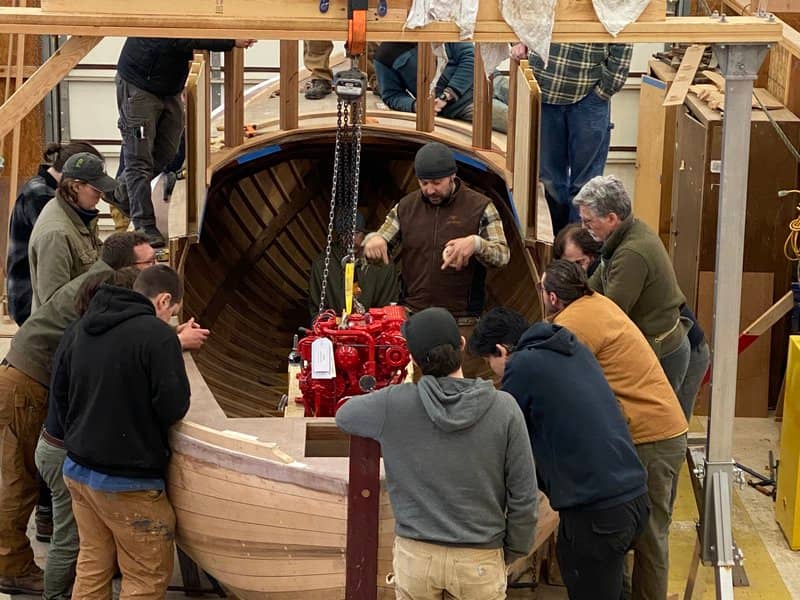
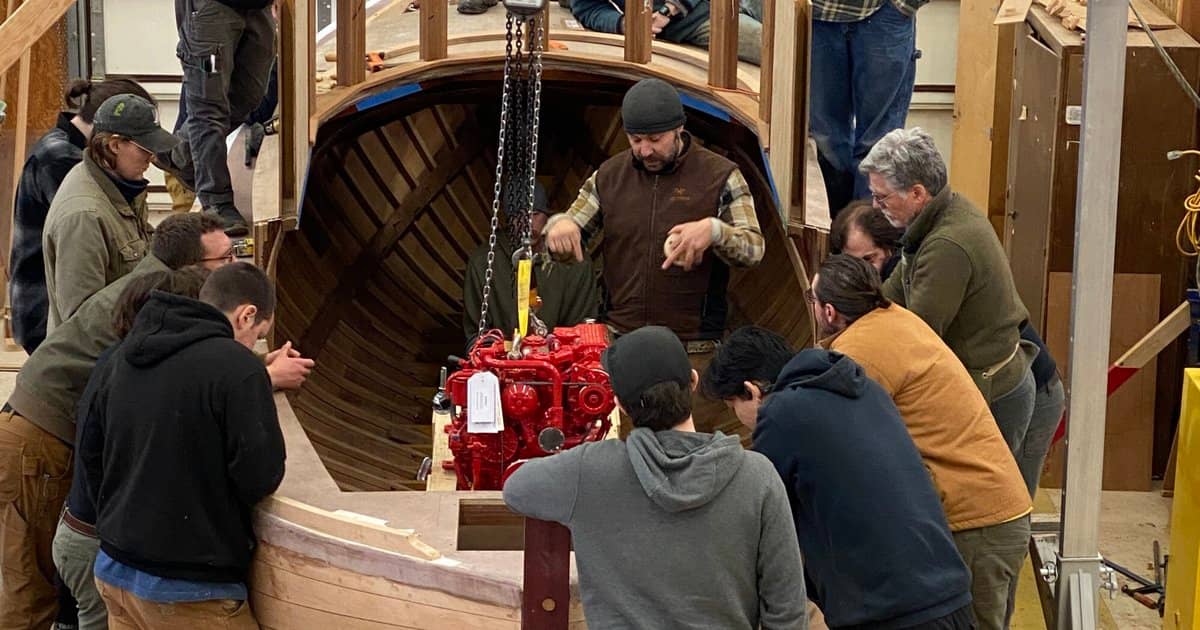
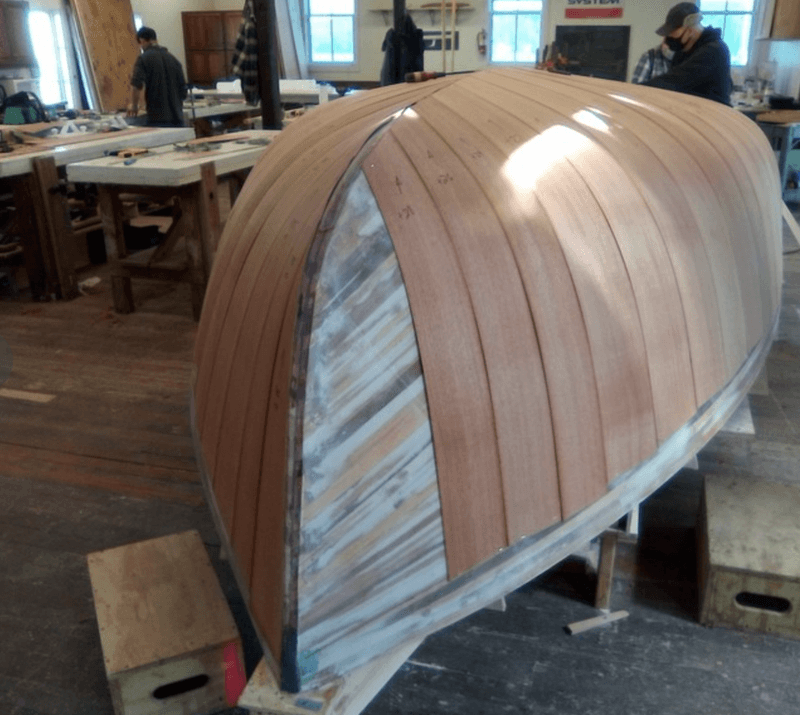
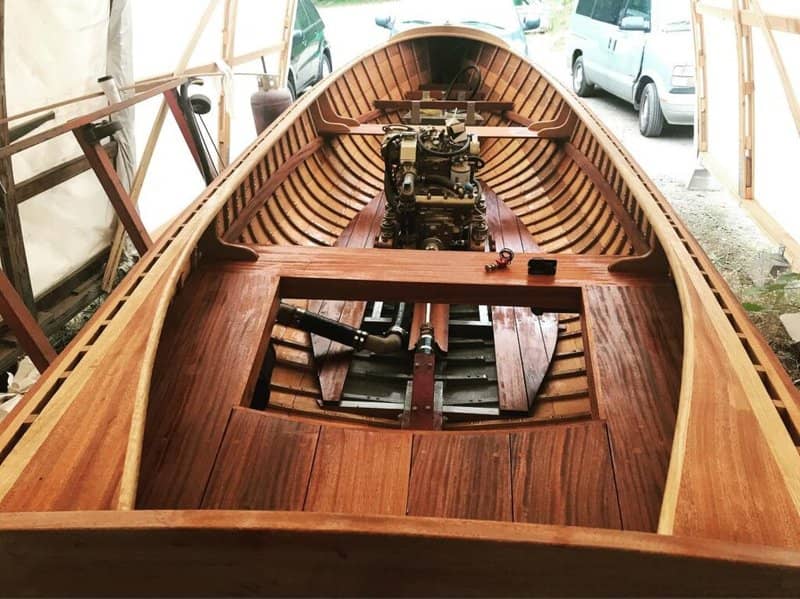
The Northwest School of Wooden Boatbuilding (NWSWB) in Port Hadlock, Washington State, USA, is a busy school with sixty pupils on campus, some of whom are there to learn wooden boat construction techniques, and others to gain a solid grounding in the electrical and mechanical systems which drive modern leisure and working vessels.
Some students go on to take both courses.
Graduation from the much-respected boatbuilding school offers easy access to entry-level employment in marina boatyards; commercial boatbuilders; and even more widely in related marine trades.
The mission of the NWSWB is to teach and preserve boatbuilding and marine systems skills while developing the individual as a craftsperson.
The sheer beauty of traditional timber boats with their sweeping lines ensures that there will always a market for restoration and new-builds.
Likewise, students who graduate from the school’s Marine Systems program discover that a shortage of candidates with their skills, and plenty of unfilled vacancies in the industry, brings them many interesting employment opportunities.
It’s also true that the woodworking skills students learn are easily transferable to advanced carpentry in any field – and Systems students will find that their new knowledge is equally applicable in other industry sectors, such as Recreational Vehicles, and off-grid homes.
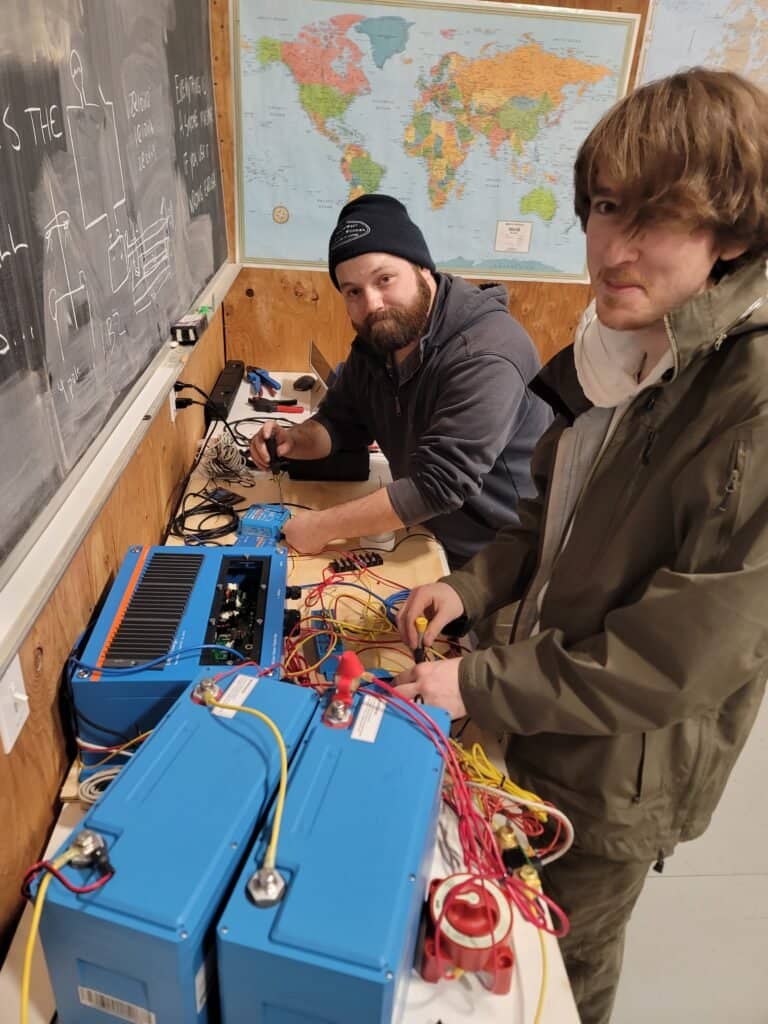
Kevin is a former lead instructor for the American Boat and Yacht Council (AYBC). Now the lead instructor for the Marine Systems program at the school, one of the Marine Systems Diploma Program’s attractions is that it includes twenty-four complete marine electrical power systems – one per student – which becomes the students ‘property’ for the duration their program.
Each installation comprises right up-to-date devices used for the power supply of superior marine craft having well-appointed accommodation and utilities.

Kevin Ritz says: “Students are going to be able to do hands-on installation practice, programming, and trouble-shooting using state-of-the-art equipment. They’ll be able to hit the ground running when they get into the workplace.”
Kevin’s program is supported with input from Victron sales managers, trainers and brand Ambassadors like Charlie Johnson PE, who is an ABYC Master Technician.
The electrical training consists of a number of modules beginning with the nature of electricity; the danger of electric shock drowning; overcurrent protection; using a multimeter; series-, parallel-, open- and short-circuits; wiring, crimping, types of termination; schematics and diagrams; load calculations and wire sizing; batteries; alternators, transformers, inverters, generators and galvanic isolation; through to voice communication and the NMEA marine data communication protocols.
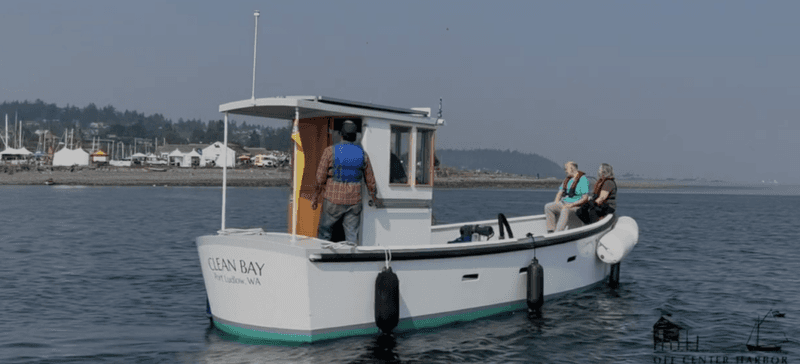
Kevin Ritz, together with Bruce Blatchley and his students designed and built a fully equipped ‘pump out’ boat which is driven by an electric motor and serves boat owners in the Puget sound. Click the image for full video by Off Center Harbor [Opens in a new window].
In addition each student is given a hard copy of the book Wiring Unlimited (digital downloads are free for anyone using the link). It contains a wealth of information about the nature of electricity; and guides the user toward making informed decisions when choosing wiring, fuses, terminations and switches to carry the system’s expected currents, and to serve the installation topography.
Students also receive a copy of the book Energy Unlimited (also free to download using the link). Energy Unlimited has been written with the Marine application in mind and exhaustively discusses battery based energy systems: including battery health; battery types; together with charging from AC and DC sources; dual battery charging; and it suggests system design to meet low, medium and high daily energy demands and how to provide sufficient power for inrush – or intermittent Peak demands.
Betsy Davis, Executive Director at NWSWB says: “The Marine Systems program is a competency-based education program designed to teach skills needed by and to meet the demand for entry-level marine technicians. The program provides both theoretical and hands-on learning to provide students with necessary skills to enter the expanding market for marine systems technicians. The program covers tasks integral to marine systems installation, service, and repair in topics such as electrical and solar systems; electronics; corrosion; diesel, outboard and electrical propulsion; steering and controls; hydraulics; plumbing; and heating and refrigeration.

You can find more information about Victron Energy devices designed with professional and leisure marine applications in mind in our Marine Brochure.
You can learn more about the Marine Systems program and enrolment on the school’s website.
And you can watch the experience of one NWSWB graduate – Demian Detweiler – here:
Ai nevoie de sfaturi? Distribuitorii noștri, instruiți la cele mai înalte standarde, sunt bucuroși să te ajute, indiferent cât de mică sau complexă este întrebarea ta.
Găsește un distribuitor în apropiere
Consultă materialele suport sau contactează distribuitorul de la care ai achiziționat echipamentul pentru suport dedicat, reparații sau solicitări legate de garanție.
Asistență
Citiți mai multe despre garanția noastră standard de 5 ani, lider în industrie, și despre serviciul global de reparații.
Garanție


Politica de confidențialitate
Preferințe cookie
Utilizarea modulelor cookie
Termeni de utilizare
Mențiuni legale
©Victron Energy 2026